We Killed the Soul of Social Media — And Then Asked Brands to Bring It Back
Do you also find it ironic how the same users demanding authenticity from brands are the least authentic people on social media? Like, how consumers have shifted from hard-core selling to personal brand marketing – they want to see behind the scenes, the person behind the brand, how they want to see the struggle and not just the success. And yet, they are the ones with a feed that is so curated it is missing… soul.
To understand where I am coming from – Friendster launched in 2002. Myspace in 2003. Facebook in 2004. Not to mention Multiply, Tumblr, Xanga, and so on. Well, I started (over)using the internet in 2007.
Back then, posting on social media meant hitting publish before you thought too hard about it. A status about your random encounter with your crush in the corridor, a blurry photo from Friday night during cheerleading practice, a wall post that said practically nothing except that you thought about that person and want to let them know. It was a real, quite embarrassing, living record of human life.
Well, that era is gone.
Did Over Curation Kill Authenticity?
Look at a random friend’s Instagram account, I bet they they fall into one of these two (2) categories – (1) someone stopped posting altogether, silently lurking, not even tapping likes, as if letting someone know they like their post is some kind of a mortal sin, and (2) they post once in a while, heavily curated, some filtered, often aesthetically pleasing photo of themselves and/or whatever they are doing at the moment, as if letting you know that the place or thing is better with them on it than it actually is.
It became so orchestrated that you wonder, is this really her life? (Most of the time, it’s not!)
Don’t get me wrong, curation is not the culprit. Every generation, mine included, curated our lives online in some way or another. Like how we don’t post family photos of our dining table in its natural state, but we’re all for it when it comes to posting photos from a well-lit restaurant, with our orders complete. But there is a meaningful difference between selective sharing and orchestrated deception.
The platforms know this. Why do you think Instagram added the “Close Friends” story feature? They know that users share “real” content only within private circles — reserving the public feed for the curated version.
The Strong Demand For Authenticity From Brands
But here’s where the story gets interesting.
Just a few years ago, consumers demanded authenticity from brands on social media. They want to see the human behind the business, they want something they can relate to, they want to see the behind-the-scenes. They are now demanding business to feel like a person rather than a business that they cannot reach. Consumers are more likely to trust, buy from, and stay loyal to brands that feel genuinely human on social.
And so you now see Wendy’s on Twitter replying to a random stranger. You see Uber on Instagram featuring a 102-year-old man taking an Uber to his pottery class, and Skims on TikTok with plus-size non-models embracing their shapes while using their bodysuit.
It all works because it scratches an itch that the polished internet stopped scratching. People want brands to be raw, unfiltered, and real.
… And these are the same people who maintain their feed like a museum.
We are demanding from brands a quality we have completely abandoned in ourselves.
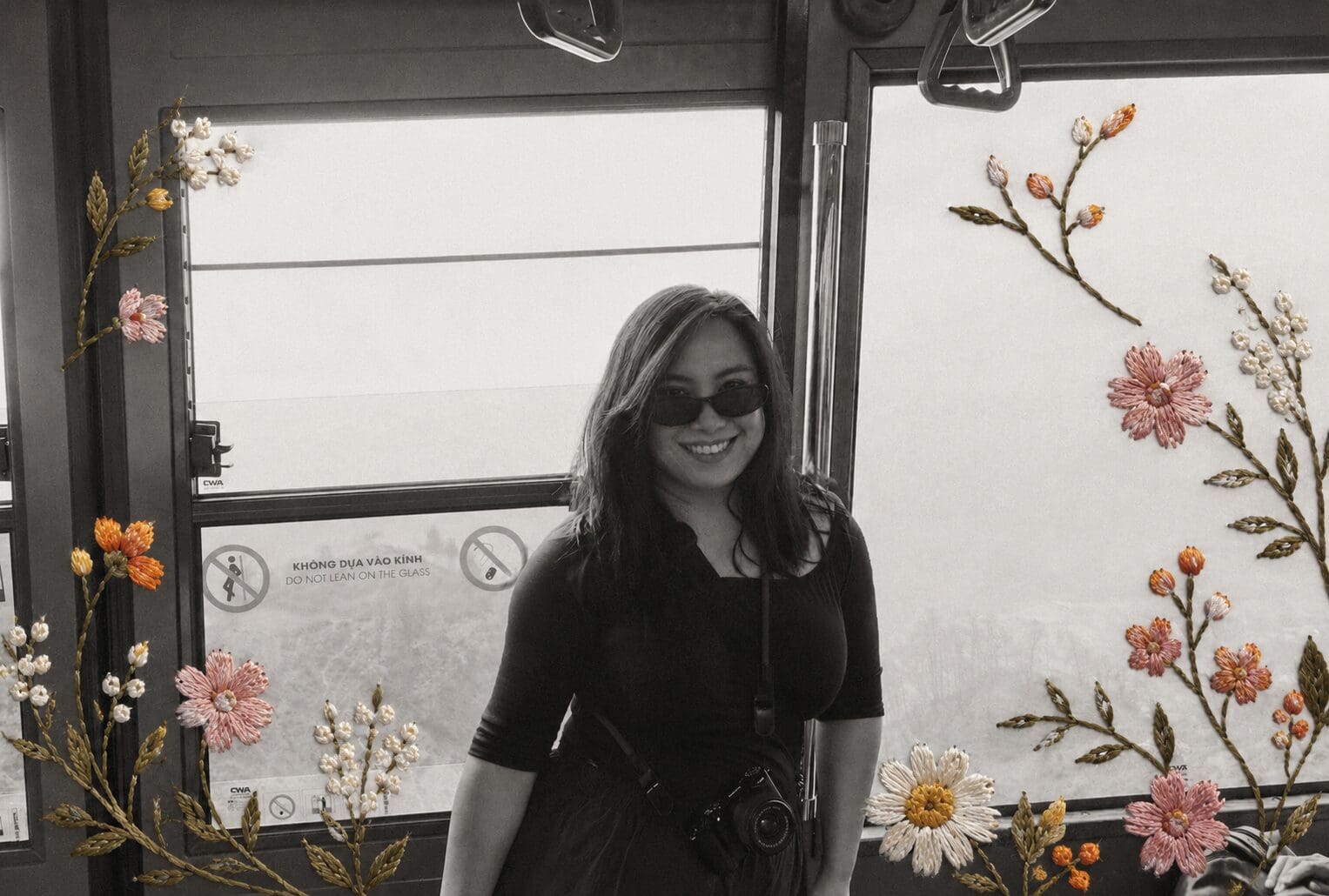
Now, I am guilty of this. I myself have engaged in this orchestrated deception that everything will be better if I post curated content online, as if I were creating an alter ego. Overuse of filters has become my thing, not posting the real deal has become my norm, and not liking someone’s post even if I found it interesting has become a hobby. Now, when I look at my Instagram, I barely recognize the person there. I felt regret that some of my precious moments weren’t documented because I was over-curating my feed. They just lived on my phone; most were deleted to make space for more moments that didn’t make it on the ‘gram, soon be deleted.
But I guess, a more important point here is: when did posting about our actual lives start to feel like a risk?
AND THEN, to make things more interesting – here comes AI.
Role of AI in Content Creation
We want brands to feel human but most business owners are gearing towards using AI for… everything.
Here’s what’s happening now.
Users curated their personal feeds until they drained the humanity out of them. This created a vacuum — a hunger for authenticity that personal accounts no longer filled. Brands spotted that vacuum and invested in being more human: more personality, more unscripted content, more visible people behind the logo. Consumers responded. The demand for “authentic brand voice” became a marketing industry unto itself.
And then those same brands — pressed for volume, short on time, watching competitors post three times a day — turned to AI to scale that human voice. To generate more of it, faster, cheaper, at volume. The authentic voice became a prompt. The human behind the brand became a persona fed into a system. The warmth, the wit, the relatability — all reverse-engineered from successful posts, fed into a model, and reproduced at scale until the feed filled up again.
AI is producing content in response to a demand for humanness — and by doing so, is making humanness even harder to find, even harder to trust, and even more valuable when it genuinely appears.
Marketing Strategy in the Age of AI
Now, if you’re a brand or a marketer, here’s the good news: this is a HUGE opportunity.
In a feed full of AI-assisted sameness, a single genuinely unpolished, unrehearsed, actually-written-by-a-person post radiates differently. The brands that will win the next era of social media trust are not the ones with the best AI prompts. They’re the ones willing to show the human who signed off on the prompt — or better yet, the human who didn’t use one.
A founder who writes badly but genuinely. A customer service rep whose response wasn’t reviewed by three people before sending. A behind-the-scenes video where the lighting is wrong, and nobody fixed it. These things cut through not despite their imperfection but because of it.
The soul of social media is still there. It’s just surrounded. And it’s waiting to see if anyone who reads a piece like this will actually do something about it — or generate a thoughtful AI response to share in their Stories with the caption: “This hit different.”

Be the first to comment